How to Get Your Yard Ready for a Smooth Turf Project
The main steps to prepare your yard for artificial turf installation are clearing the area, removing old grass, leveling the soil, setting up proper drainage, and compacting a solid base. When you prep the ground the right way, your new turf will look flat, drain well, and last for years. Skipping these steps can lead to uneven spots, puddles, and loose edges.
What You Need Before You Start
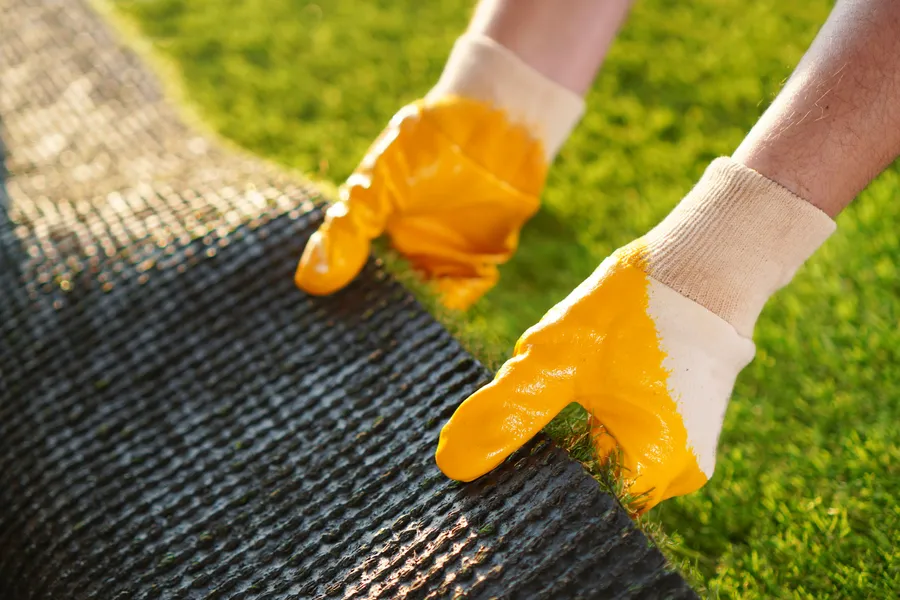
Before any artificial turf installation begins, gather the right tools and supplies. Having everything ready saves time and stress.
- Shovel or sod cutter
- Wheelbarrow
- Landscape rake
- Plate compactor or hand tamper
- Weed barrier fabric
- Crushed stone or road base material
- Garden hose
- Edging materials
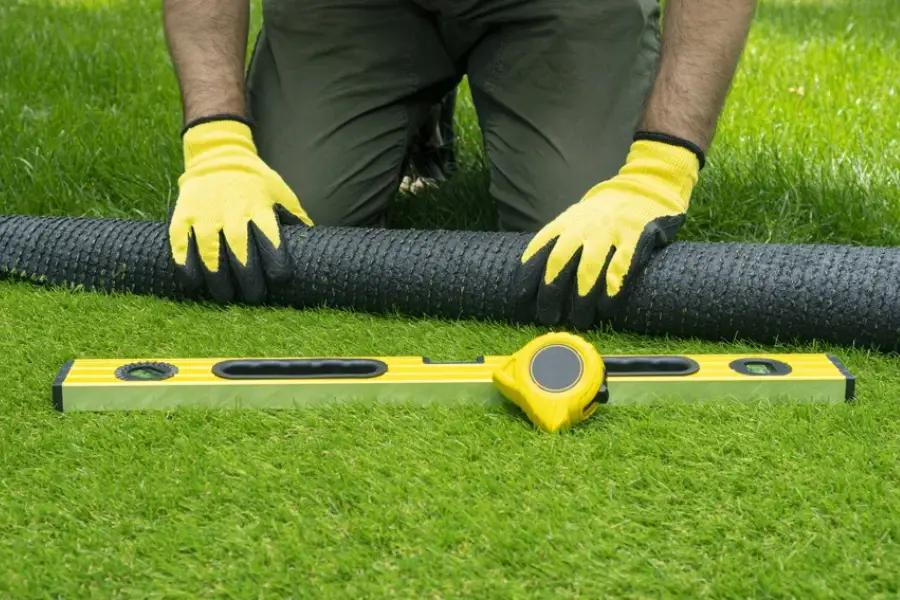
You may also need marking paint and measuring tape to outline the area. If your project falls under a larger service category keyword, make sure any related groundwork or grading work is done first.
Step-by-Step Yard Preparation Process
Follow these steps to prepare your yard the right way:
- Mark the area. Outline where the turf will go. Double-check measurements.
- Remove existing grass and plants. Cut and remove sod about 3 to 4 inches deep.
- Clear debris. Take out rocks, roots, and old irrigation parts.
- Adjust soil level. Slope the ground slightly away from your home for drainage.
- Add base material. Spread crushed stone or road base evenly.
- Compact the base. Use a plate compactor for a firm, even surface.
- Install weed barrier. Lay fabric over the compacted base to reduce weed growth.
Each step supports the next one. A strong base is the foundation of any successful artificial turf installation. If the base shifts, the turf shifts.
Common Mistakes to Avoid
Many yard issues start before the turf is even put down. Here are common errors people make:
- Not digging deep enough before adding base material
- Skipping the compaction step
- Ignoring drainage and slope
- Leaving large rocks in the soil
- Not securing edges tightly
For example, if the soil is not sloped, water can collect under the turf. That may lead to bad smells or uneven areas over time. Taking a little extra time during prep can prevent expensive fixes later.
When to Call a Professional
Small, simple lawns with flat ground can sometimes be prepped by homeowners. But larger yards, sloped properties, or areas with drainage problems often need expert help.
If your yard holds water after rain, has heavy clay soil, or includes tree roots, professional grading may be needed. Artificial turf installation also requires precise cutting and seaming for a clean look. Poor prep work can shorten the life of your turf and void material warranties.
A trained crew can handle excavation, base compaction, and edge framing efficiently. They also bring proper equipment that most homeowners do not own or want to rent.
Final Recommendation and Next Steps
Proper yard preparation is the backbone of a successful artificial turf installation. It affects how your lawn looks, feels, and drains. If you want clean lines, even surfaces, and long-term performance, focus on the foundation first. In Midlothian, IL, soil and drainage conditions can vary from one neighborhood to another. At Mazon Property Service, LLC, we handle every step of the prep process with care and attention. We can inspect your yard, explain what needs to be done, and complete the work safely and efficiently. Call us at (708) 513-5877 to schedule a consultation and get your project started.