Simple Steps to Help Your New Grass Take Root and Stay Healthy
Post installation care for a new lawn is all about water, light use, and close monitoring during the first few weeks. Fresh sod needs steady moisture so the roots can grow into the soil below. You should water often at first, avoid heavy foot traffic, and wait to mow until the grass is firmly attached. With the right care, your yard will fill in thick and green.
Why Prevention Matters in the First 30 Days
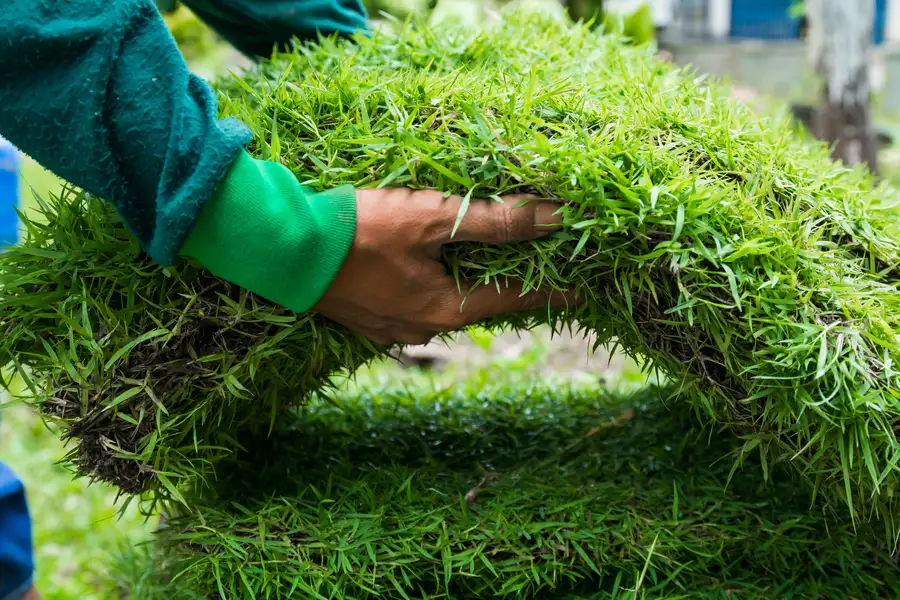
The first month after sod installation is the most sensitive time for your lawn. The grass has been cut from its farm soil and moved to your yard. It must grow new roots quickly. If it dries out, those roots stop growing. If it gets too much water, roots can rot.
Good care now prevents brown patches, loose seams, and uneven growth later. It also protects the money you invested in your landscape and lawn care. A strong start leads to fewer repairs in the future.
Early Warning Signs Something Is Wrong
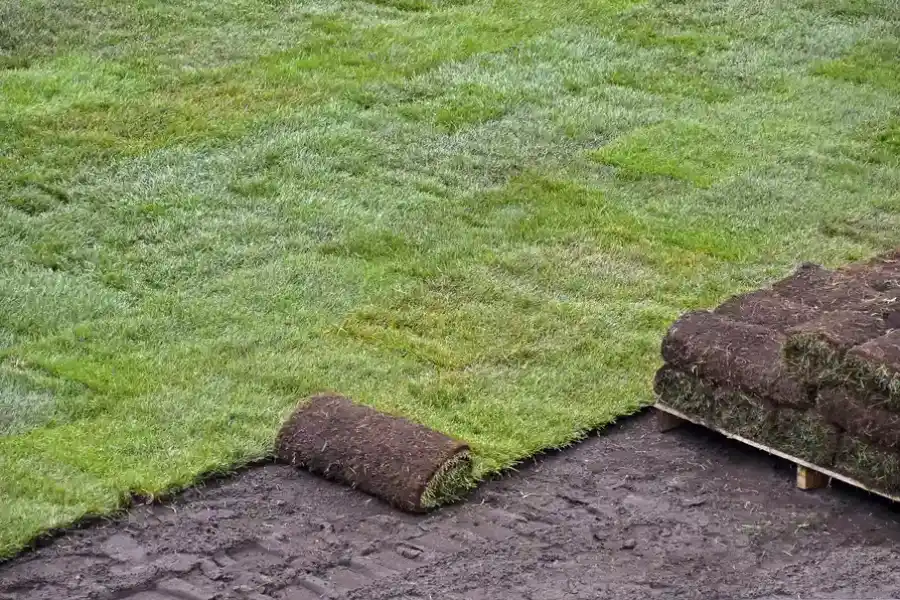
Keep an eye on your lawn every day for the first two weeks. Small problems can turn into big ones fast.
- Grass turning gray or blue means it needs water.
- Edges lifting or shrinking shows dry spots.
- Mushy areas can mean too much water.
- Yellow patches may point to poor root growth.
- Sod that shifts when you walk on it is not rooted yet.
If you notice these signs early, you can adjust your watering and fix the issue before the grass fails.
Seasonal and Weekly Care Checklist
Your care routine will change over time. Here is a simple guide for the first month after sod installation.
- Days 1-7: Water daily, sometimes twice a day in hot weather. Keep the top inch of soil moist.
- Days 8-14: Water once a day. Check that roots are starting to attach by gently lifting a corner.
- Days 15-21: Water every two to three days. Grass should feel more stable underfoot.
- After 3 weeks: Shift to a normal watering plan based on weather and soil type.
During this time, keep foot traffic light. Avoid parking equipment or placing heavy objects on the lawn. Wait to mow until the grass reaches about 3 to 4 inches tall and feels firmly rooted. Use a sharp mower blade and never cut more than one-third of the grass height at once.
Best Practices for Long-Term Results
Healthy habits help your new yard stay thick and even.
Water early in the morning. This allows the blades to dry during the day. Wet grass overnight can lead to disease. Adjust your sprinkler so every area gets equal coverage. Dry corners are common along sidewalks and driveways.
After the lawn is established, apply a starter fertilizer if recommended for your soil. This gives roots the nutrients they need. You may also consider light aeration in the future if the soil becomes compacted.
Regular mowing, steady watering, and simple lawn care habits will keep your sod looking fresh long after installation.
What Not to Do After Sod Installation
Many lawn problems come from simple mistakes.
- Do not let the sod dry out during the first week.
- Do not overwater to the point of puddles.
- Do not mow too soon.
- Do not apply heavy fertilizer right away unless advised.
- Do not ignore uneven areas or lifting seams.
Avoiding these errors helps roots grow deep and strong.
When to Schedule Professional Help
Sometimes a new lawn needs expert attention. If large areas turn brown, roots fail to attach after two to three weeks, or drainage problems appear, it may be time to call for help. Soil grading issues, sprinkler system problems, and pest damage can also affect new sod.
A trained team can inspect the lawn, test the soil, and adjust watering schedules. Fast action can save most lawns if problems are caught early.
Need Help With Your New Lawn?
If your yard in Midlothian, IL needs expert attention after sod installation, we are ready to help. At Mazon Property Service, LLC, we handle everything from inspection to ongoing lawn care so your grass grows strong and even. Call us at (708) 513-5877 to schedule a visit and let us take care of your new lawn the right way.